


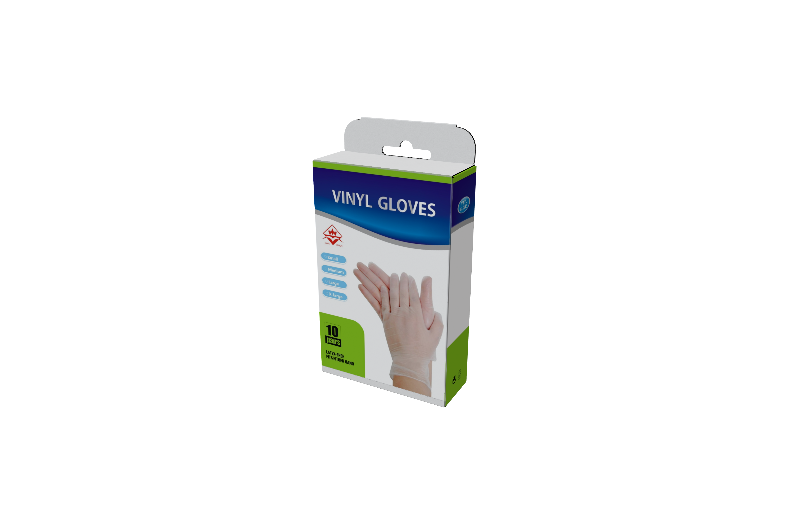
Vinyl gloves have become an important and basic commodity for several service and industrial sectors, including healthcare, food service to manufacturing, beauty, and even household use. With the increasing global consciousness on hygiene-protection-contamination controls, which include cross-contamination, the demand for reliable disposable gloves shot up extremely high in demand within a very short period. Vinyl gloves remain among the most applicable choices that are best cost-wise while offering all forms of protection across different tasks involving them. This article deeply discusses everything from their material characteristics, production process applications, field performance benefits, market development selection considerations related to vinyl gloves, thereby forming a clear, reason-based understanding as to why they are still preferred options for both organizations and individuals worldwide.
Introduction to VINYL GLOVERS and Their Importance
VINYL GLOVERS are disposable gloves made from polyvinyl chloride or PVC. They have become a baseline requirement in any operation involving cleanliness and protection. VINYL GLOVERS provide a soft barrier between the hands of users and any harmful substance supposed to be handled by the user, therefore ideal for use in tasks involving liquids, contaminants, as well as contact with humans.VINYL GLOVERS gained popularity due to affordability besides accessibility, ease of usage, as well as environmental sensitivity compatibility.
The importance of vinyl gloves in today’s hygiene standards remains high and growing. They are widely used in all industries that enforce the use of disposable hand protection to prevent cross-contamination, such as medical and laboratory settings, food handling, and personal care services. Vinyl gloves suit users who have reactions to latex protein because they do not contain any proteins or chemical accelerators- a safe, usable alternative compared to other types like nitrile or latex.
Material Properties and Characteristics of VINYL GLOVERS
VINYL GLOVES are made from a synthetic polymer, PVC. Therefore, they have a smooth texture and chemical resistance. They perform well in non-hazardous environments. The material is soft and permits enough flexibility in the application to which the gloves are suited for use where no extreme dexterity or tensile strength is required.
One outstanding feature is the resistance of oils, mild chemicals, and low-risk contaminants. There are no natural rubber latex proteins in PVC to worry about allergies; VINYL GLOVERS becomes a dependable choice for sensitive users. Also fitting consistently because PVC maintains stable physical properties-it does not fluctuate like natural materials.
Another important property of VINYL GLOVES is clarity. Most vinyl gloves are semi-transparent, thus allowing visibility to hand movements as well as possible contamination, which could be noticed on them. This feature becomes very useful in healthcare and food processing, where visual detection plays a major role in maintaining safety standards.
VINYL GLOVES do not have the elasticity of nitrile or latex gloves; the material permits a comfortable fit and effectively functions. New methods of manufacturing allow PVC, vinyl gloves to be more flexible and sensitive, thus enabling users to perform detailed tasks with greater accuracy.
The Production Process of VINYL GLOVERS
The manufacturing process of VINYL GLOVERS is an advanced one, which allows their thickness, strength, and cleanliness to be controlled systematically. It starts with the preparation of PVC resin, which is mixed with plasticizers to make it flexible and easily moldable. The plasticizers are important in making the gloves soft and in building up a pliable structure that enables comfort during long hours of use.
After the preparation of the raw material mixture, ceramic or metal hand-shaped formers are first cleaned and sanitized, then dipped into the vinyl compound. After being dipped, the formers are given a rotational movement to make sure of an even coating on all surfaces. The gloves are later subjected to curing in an oven, where they acquire strength and also get permanently shaped as a glove.
After curing, the gloves are allowed to cool. They undergo a leaching process, which involves the removal of residual chemicals or impurities left in the film. The gloves are then removed from the formers and taken for quality inspection, where they shall be tested for durability, thickness, as well as puncture resistance. After passing all these tests,VINYL_GLOVERS is packed under sterile conditions to keep them clean until they reach different industries that set standards on cleanliness.
The entire production process is controlled to minimize contamination risks, and the manufacturing facilities are often certified as complying with international standards. This helps in ensuring that VINYL GLOVERS deliver up to the expectations of professional users from various industries, consistently.
Performance Advantages of VINYL GLOVERS in Daily and Professional Use
Vinyl gloves have certain performance features that account for their wide acceptance in both professional and domestic environments. One of the most significant benefits is their versatility; they can be applied within a broad scope of environments without any special storage conditions or handling instructions.
Comfort is a major advantage. Due to the PVC composition, VINYL GLOVES feel smooth and comfortable on the skin even when used repeatedly throughout the day. They are easy to put on and take off, which matters in workplaces where employees are constantly reminded to change their gloves as an initiative of maintaining cleanliness by not transferring contaminants from one item to another.
Another advantage is in their reliability as a protective barrier. VINYL GLOVES are effective barriers to mild chemicals and cleaning agents, food residues, and biological materials from non-hazardous environments. They ensure the user’s hands remain clean while reducing direct contact with contaminants.
Allergy-friendly design is also crucial. Made with zero natural latex, VINYL GLOVES are safe for users who have allergies or sensitivity to latex. This inclusive benefit supports medical and food service workers and consumers who need hypoallergenic protective apparel.
Applications of VINYL GLOVERS Across Multiple Industries
Because of their wide range of benefits, VINYL GLOVERS are used in numerous industries. Their affordability and availability make them a practical choice for businesses looking to maintain hygiene standards without significantly raising operational costs.
Healthcare and Medical Use
VINYL GLOVERS are commonly used for medical purposes involving regular contact with patients or non-invasive procedures. These include examination, wound cleaning, sample collection, and general cleaning tasks. Nitrile gloves can be used in high-risk medical operations; however, low-risk medical operations and management handling of medical equipment still accept the use of VINYL GLOVES.
Food Service and Food Processing
VINYL GLOVERS play a vital role in food safety. They help prevent cross-contamination during food preparation, cooking, packaging, and serving. Their smooth texture and ease of use allow food workers to change gloves frequently, which is essential in maintaining strict hygiene standards.
Cleaning and Janitorial Applications
Because of their resistance to mild cleaning chemicals and detergents, VINYL GLOVERS are widely used in cleaning industries. They protect hands from exposure to cleaning agents while offering enough flexibility to handle tools, equipment, and surfaces efficiently.
Beauty, Personal Care, and Salon Services
In beauty salons and personal care environments, VINYL GLOVERS are often used during hair coloring, facial treatments, nail services, and cosmetic procedures. Their non-reactive nature makes them safe to use with lotions, dyes, creams, and various cosmetic products.
Household and Daily Use
VINYL GLOVERS are commonly used in homes for tasks such as cleaning, dishwashing, child care, crafting, pet care, and minor first-aid handling. Their accessibility allows consumers to keep boxes of disposable gloves for everyday hygiene and convenience.
Manufacturing and Light Industrial Work
In manufacturing environments where workers handle sensitive materials, tools, or components, VINYL GLOVERS are adequate to protect their hands. Such industries include electronics assembly, printing, textile production, and light machinery. In all these applications, gloves help to maintain cleanliness and prevent contamination.
Environmental Considerations and Evolving Sustainability Trends
The environmental impact of VINYL GLOVES becomes a pertinent discussion as the world turns its eyes to more sustainable products. PVC gloves are not biodegradable; however, increased recycling capabilities and responsible sustainability practices in the method of production fully account for the total environmental impacts fully accounted for.
More green additives and recycling programs to reduce waste are being explored by manufacturers. Energy-efficient processes, a reduction in water consumption, and the use of cleaner chemical formulations have been implemented by some suppliers. This is in line with the global move aimed at eventually creating environmentally responsible disposables while keeping them ultra-clean.
Gloves of reusable gloves are also emerging in certain applications. However, VINYL GLOVES remain important in all those places where disposability is required for safety, like medical, food service, and laboratory environments.
Market Demand and Global Trends for VINYL GLOVERS
The global VINYL GLOVES market has been propelled by awareness of hygiene, developing healthcare infrastructure, and upgraded standards in the food and personal care sectors. Emerging markets of Asia, Africa, and South America are enforcing stricter regulations on hygiene, thus increasing the use of disposable protective products.
Pandemics and other emergencies related to public health lead to a sudden spurt in the demand for gloves. This has prompted the producers to enhance their capacities, streamline distribution networks, and also focus on the quality of gloves that would meet global expectations.
The market is indicative of changing consumer preferences. Firms now place greater emphasis on certified products with steady quality and dependable performance. The VINYL GLOVERS are responsive to such needs so that they can sustain competition from substitute glove materials.
How to Choose High-Quality VINYL GLOVERS
The major factor that defines high-quality VINYL GLOVES is their thickness. A thick glove always assures a strong barrier protection, while in thin gloves, the user feels sensitivity to touch or tactile sensations. Therefore, based on the needs of the application, users should select and use appropriately.
They should have a smooth inside, be available in all sizes, and not cause much fatigue to the hands when used for long periods. A badly manufactured glove will either be too stiff or break easily, causing discomfort as well as loss of productivity.
Certifications prove that the gloves have passed certain quality and safety benchmarks. It is always easier to work with products that meet international standards, such as EN455 or ASTM levels, because there is transparency in their consistent results. Simple tests for color consistency and uniform thickness can also help a user identify good-quality gloves.
This, therefore, becomes another aspect of choice: quantity and packaging options available. Large bulk packagings suit commercial environments where glove consumption is high; smaller box packs find more appropriate usage at home or in households.
Conclusion
VINYL GLOVERS are still among the most practical, multi-purpose, and economic disposable gloves on the market. Comfortable, durable, and free from allergies that can be caused by other glove materials- suitable for a wide application range which includes health care & food service to cleaning, beauty, as well as general household uses. With increasing international emphasis on high levels of hygiene standards, VINYL GLOVERS become more obvious in their importance; new material technology/sustainability initiatives plus improved manufacturing efficiencies ensure them having a large share in future modern hygiene/protective solutions.