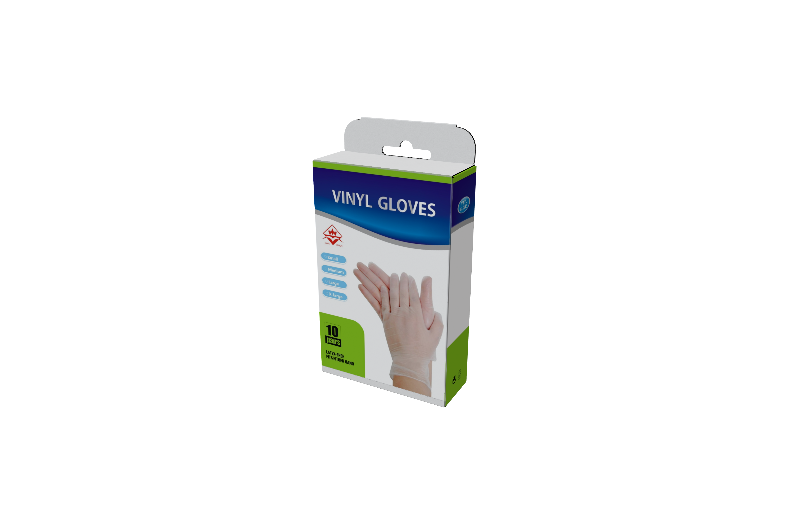
Vinyl glovers are a crucial component of today’s hygiene practices, personal protective measures, or workplace safety programs. The large number of users around the world can be explained by practical aspects and affordability while meeting industry-standard requirements. Vinyl gloves have found applications in healthcare settings and food service operations as well as cleaning services, industrial workplaces, beauty salons private households. They offer reliable performance at low cost with no allergens to humans, which makes them suitable for use wherever disposable gloves are needed.
Why Vinyl Glovers Remain a Consistent Market Choice
Vinyl gloves deliver reliable, consistent results in a wide variety of general applications to which they are suited. This makes them an ideal product offering for businesses large and small. Vinyl gloves provide the minimum acceptable barrier protection. They support hygiene requirements. Rapid glove changes can be performed without added cost per change. As more sectors adopt stringent clean practices, this basic yet important tool for compliance cannot go unnoticed.
Their Contribution to Hygiene in Global Workflows
The use of vinyl gloves can be closely linked to the changing expectations toward hygiene. Modern rules in food processing, healthcare environments, and any customer service industry have enforced the need for disposable protective equipment. Vinyl gloves serve standardized safety implementation by creating cleanliness and cross-contamination controls. They become a reliable part of daily operations in settings where hygiene is non-negotiable because, simply put, they work.
Material Composition and Structural Features of Vinyl Glovers
Understanding vinyl glovers from a material and manufacturing perspective reveals the reasons behind their performance characteristics. Their PVC-based structure, combined with plasticizers, results in a balance of flexibility, durability, and comfort suited for light to moderate tasks.
The PVC Material Foundation
The main component of vinyl gloves is polyvinyl chloride (PVC). Unlike natural rubber latex, there are no allergens in PVC. It is suitable to be used by everyone.PVC can be made flexible enough for the manufacture of gloves through the use of plasticizers. The resultant glove has a smooth texture with an apparent thickness, shape, and its performance can be easily controlled by the manufacturer to ensure batch uniformity.
Performance Qualities Derived From PVC
The PVC composition makes the vinyl gloves resistant to oils, grease, mild chemicals, and cleaning agents. They are not as elastic as nitrile or latex, but flexible enough for normal handling operations. A smooth surface makes them comfortable during long hours of wor,k and they also do not break easily under normal conditions of use. All these material strengths allow their applicability in different settings.
Key Advantages Provided by Vinyl Glovers
Vinyl glovers offer numerous benefits that make them suitable for frequent-use scenarios. Their affordability, comfort, and compatibility across user groups help businesses maintain safe practices without overspending.
Latex-Free Construction for Universal Safety
A major benefit is that they do not contain latex. Quite a number of people are allergic to natural rubber latex, thus making latex gloves inappropriate in such an environment where different staff or customers and clients are handled. With vinyl glovers, there is absolutely no risk involved for any user; all safety compliances are ensured. They can be depended on by establishments that want to ensure there was no incident related to allergens taking place.
Cost-Effectiveness and High-Volume Usability
Vinyl gloves are cheap to make and that is why they are used in all the industries which involve continuous change of gloves. The low cost enables not only restaurants but also healthcare establishments and cleaning services to instruct their staff on frequent changing of gloves without imposing an extra burden on the operational costs, This advantage finds more relevance in acts where strict control over hygiene has to be maintained together with a fast workflow transition.
Practical Applications Across Industries
The versatility of vinyl glovers allows them to adapt seamlessly to the requirements of multiple sectors. Their practicality and cost structure make them ideal for industries that rely heavily on disposable gloves as part of their daily operations.
Use in Food Preparation and Food Service
In an environment dealing with food, hygiene is always the top priority together with contamination prevention. Vinyl gloves provide a sanitary barrier between hands and food products to prevent bacterial transmission. Easy application makes them suitable in high-traffic kitchens where frequent changes parallel safety regulations on glove usage. They are non-reactive toward oils or fats; hence, very effective for such preparatory tasks involving foods.
Support for Healthcare and Personal Care Workflows
Vinyl gloves are not designed for high-risk medical procedures. Vinyl gloves are commonly used in general healthcare activities such as patient examination and non-invasive checkups, cleaning routines, or any administrative task related to healthcare. The smooth surface texture makes them easy to don and reduces hand fatigue in repeated applications of work. Being latex-free, safe use is ensured in clinics and pharmacies as well as laboratories or dental offices.
Evaluating Comfort, Fit, and Wearability
User experience is a major factor in the long-term adoption of disposable gloves. Vinyl glovers are designed with attention to ease of use, comfort, and consistent fit to support workers across diverse workflows.
Fit Characteristics and Daily Comfort
Vinyl gloves typically offer a loose fit. Comfort is associated with the free repeated change of gloves. In comparison with tightly fitted gloves which may cause fatigue, relaxed vinyl glovers help users stay comfortable until the end of their shift. Ease in donning and doffing makes them appropriate for quick turnover tasks prevalent in commercial settings.
Maintaining Performance During Use
Vinyl gloves are not made for heavy-duty use but they will have very dependable performance in applications of dry goods handling, light cleaning, laboratory support, and any service-related application. They remain flexible during normal operations and sustain resistance to mild chemicals, oils, and cleaning agents. Used within the appropriate application ranges, they stay snugly fitted without loosening up over the protective safety barrier.
Selecting the Right Vinyl Glovers for Your Needs
A thoughtful selection process helps businesses choose the most appropriate vinyl glovers for their operational environments. Different glove specifications provide varying levels of performance depending on the intended application.
Important Traits to Consider
The most suitable factors influencing are several, which normally make the best glovers out of vinyl:
- Their thickness, thus how durable they can be and for how long they may be worn
- Powdered or powder-free styles-according to work process preference
- Length-in relation to wrist coverage
- Sizing accuracy-for comfort of the user
- Certifications that confirm the quality of a product
This will ensure conformity with industry standards and satisfaction from end users.
Comparison with Other Disposable Glove Types
Vinyl gloves form the middle ground between polyethylene on one end and advanced materials such as latex and nitrile on the other. Latex is highly elastic and sensitive but has allergen issues, while nitrile has better chemical resistance but is usually more expensive. Vinyl gloves are comparable in cost to functionality; therefore, they suit perfectly low- to medium-risk settings where affordability together with usability forms key considerations.
Contribution of Vinyl Glovers to Industry Standards
Vinyl glovers play an integral role in supporting compliance with modern hygiene regulations. Their widespread availability and predictable quality help industries meet formalized safety requirements.
Regulatory Compliance and Certification
Industries such as food processing, healthcare, and janitorial services comply with regulations on appropriate hand protection. This is what makes vinyl gloves helpful in the rulebooks: they accomplish basic safety requirements effectively which have been set by regulatory bodies. The quality assurance testing certifies them to acceptable levels for pinhole resistance, tensile strength as well as overall integrity.
Supporting Global Hygiene Trends
Increasing global awareness of hygiene standards include the wider knowledge and understanding among people about proper practices on hygiene. Vinyl glovers play a significant role in making them easily available and affordable to everyone as well as providing reliability in using them for supporting daily sanitation activities at home or elsewhere. This is an ever-growing market with changing expectations towards improved conditions of cleanliness where vinyl glovers will be one key element involved primarily within public health objectives but also professional ones.
Future Directions and Market Evolution for Vinyl Glovers
Developments in material science and manufacturing efficiency, added to the sustainability requirement, will continue to drive the future of vinyl gloves. As a more sustainable protective equipment demand is set by various industries, innovation may include improved formulations inside the category of vinyl gloves and eco-friendly alternatives.
Innovation and Material Improvement
Manufacturers are exploring new plasticizer technologies, enhanced PVC blends, and improved production methods to increase flexibility, durability, and environmental compatibility. All these allow developments meanwhile set cost parameters in tandem with upward adjustment of performance benchmarks thus ensuring that vinyl glovers remain standing when brought head-to-head with market rivals.
Continued Market Growth and Global Use
Vinyl glovers will continue to be in high demand because they are practical and economical. More workplaces institutionalize hygiene protocols and businesses from various sectors continually identify disposable gloves as essential equipment, making the demand for vinyl glovers almost unending. They will continuously hold their value as a dependable and available option for large-scale use.
Conclusie
Vinyl glovers have become crucial in the protection of health, safety at work, and also towards supporting industry compliance across international markets. A PVC-based formulation provides an excellent reliable comfortable durable and cost-effective solution. As more industries prioritize cleanliness and protection Vinyl glovers continue to play a very important role. With manufacturing evolution continuing to develop vinyl as one of the materials preferred by choice for enterprises seeking efficient economical allergen-free protective solutions Vinyl glovers will remain another mainstay commodity supporting contemporary operational requirements due primarily however not exclusively because their versatility plus consistent performance.