


Choosing the right hydantoin for industrial use is a critical decision that directly affects product performance, regulatory compliance, operational safety, and overall cost efficiency. Hydantoin and its derivatives are widely used across industries such as water treatment, pharmaceuticals, cosmetics, polymer processing, and industrial disinfection. Although the term “hydantoin” refers to a family of related compounds rather than a single substance, differences in chemical structure, purity, release behavior, and stability make correct selection essential.
Industrial users often face challenges when evaluating hydantoin options, including understanding functional differences between derivatives, matching grades to application requirements, and ensuring compliance with safety and environmental regulations. A systematic approach to selection helps reduce risk, improve performance consistency, and optimize long-term supply strategies.
This guide provides a comprehensive overview of how to choose the right hydantoin for industrial applications, covering chemical fundamentals, application requirements, technical specifications, safety considerations, and practical selection strategies.
Understanding What Hydantoin Is
Basic Chemical Definition
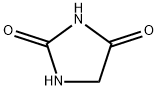
Hydantoin is a heterocyclic organic compound characterized by a five-membered ring containing two nitrogen atoms and two carbonyl groups. It serves as a core structure for a wide range of derivatives used in industrial and commercial applications.
While the parent hydantoin compound has limited direct use, substituted hydantoins and halogenated hydantoin derivatives are widely employed due to their functional properties.
Common Hydantoin Derivatives Used in Industry
Industrial applications typically involve modified hydantoins designed to deliver specific chemical functions. These derivatives may differ in solubility, stability, reactivity, and release behavior.
Common categories include hydantoins used as intermediates in pharmaceutical synthesis, hydantoin-based preservatives, and hydantoin derivatives used in water treatment and industrial sanitation.
Why Hydantoin Is Widely Used
Hydantoin compounds are valued for their chemical stability, controlled reactivity, and adaptability to different formulations. Their versatility allows them to function as intermediates, active agents, or stabilizing components in complex industrial systems.
This flexibility makes hydantoin an important building block across multiple sectors.
Identifying Your Industrial Application Requirements
Defining the Intended Function
The first step in selecting the right hydantoin is identifying its intended role within your process or product. Hydantoin may function as an active antimicrobial agent, a chemical intermediate, a stabilizer, or a controlled-release compound.
Clarifying this role helps narrow down suitable hydantoin types and specifications.
Understanding Process Conditions
Industrial environments vary significantly in terms of temperature, pH, pressure, and exposure to other chemicals. Hydantoin performance can be influenced by these factors.
Understanding operating conditions ensures that the selected hydantoin remains stable and effective throughout its intended lifecycle.
Evaluating Performance Expectations
Different applications place different demands on hydantoin performance. Some processes require rapid activity, while others benefit from slow, controlled release.
Establishing clear performance criteria helps align chemical properties with application goals.
Hydantoin in Water Treatment Applications
Role in Industrial Water Systems
Hydantoin derivatives are commonly used in water treatment systems for industrial cooling towers, swimming pools, and wastewater management. In these applications, hydantoin acts as a precursor or carrier for active disinfecting agents.
Controlled-release behavior is particularly important in maintaining consistent water quality.
Stability and Release Characteristics
For water treatment, hydantoin derivatives are selected based on their stability in aqueous environments and their ability to release active components gradually.
Choosing a hydantoin with appropriate dissolution and release rates ensures effective microbial control without excessive chemical consumption.
Compatibility with Water Chemistry
Water chemistry variables such as hardness, pH, and organic load affect hydantoin performance. Compatibility with existing water treatment systems is essential to avoid inefficiencies or unwanted reactions.
Hydantoin in Pharmaceutical and Fine Chemical Manufacturing
Use as a Chemical Intermediate
In pharmaceutical and fine chemical industries, hydantoin derivatives are widely used as intermediates in the synthesis of active pharmaceutical ingredients and specialty chemicals.
Purity, consistency, and trace impurity control are critical selection factors in these applications.
Regulatory and Quality Requirements
Pharmaceutical-grade hydantoin must meet strict regulatory and quality standards. Compliance with manufacturing practices and documentation requirements is essential.
Selecting the correct grade ensures downstream compliance and product safety.
Reaction Efficiency and Yield Considerations
Chemical reactivity and selectivity influence reaction efficiency and yield. Choosing a hydantoin with suitable reactivity minimizes by-products and improves process economics.
Hydantoin in Cosmetics and Personal Care Products
Preservation and Stability Functions
In cosmetics and personal care formulations, certain hydantoin derivatives are used as preservatives or stabilizing agents. Their controlled release properties help maintain product safety over time.
Compatibility with other formulation ingredients is essential to ensure product stability and user safety.
Consumer Safety and Regulatory Compliance
Personal care applications require hydantoin derivatives that comply with cosmetic regulations and safety guidelines.
Understanding permitted usage levels and regional regulatory frameworks is critical during selection.
Industrial Disinfection and Hygiene Applications
Antimicrobial Performance Requirements
Hydantoin-based compounds used in industrial hygiene must deliver reliable antimicrobial performance under challenging conditions.
Factors such as contact time, organic load, and surface compatibility influence selection decisions.
Controlled Activity and Longevity
For industrial disinfection, sustained activity may be more desirable than rapid depletion. Hydantoin derivatives that provide controlled antimicrobial release support consistent hygiene standards.
Evaluating Hydantoin Grades and Purity Levels
Industrial Grade vs Specialty Grade
Hydantoin products are available in different grades, ranging from general industrial grade to high-purity specialty grade.
Selecting the appropriate grade depends on application sensitivity, regulatory requirements, and performance expectations.
Importance of Purity and Consistency
Impurities can affect chemical behavior, stability, and safety. Consistent purity across batches ensures predictable performance and simplifies quality control.
Evaluating supplier specifications and quality assurance practices is essential.
Moisture Content and Physical Form
Hydantoin products may be supplied as powders, granules, or tablets. Moisture content and particle size distribution influence handling, dissolution, and storage behavior.
Selecting the correct physical form improves process efficiency.
Safety and Handling Considerations
Occupational Safety Requirements
Hydantoin handling requires adherence to occupational safety guidelines. Understanding potential hazards, exposure limits, and recommended protective measures is critical.
Proper labeling and safety documentation support safe industrial use.
Storage Stability and Shelf Life
Storage conditions such as temperature, humidity, and container materials affect hydantoin stability. Selecting products with suitable shelf life characteristics reduces waste and operational risk.
Transportation and Packaging
Hydantoin transportation must comply with applicable regulations. Packaging should protect product integrity and ensure safe handling throughout the supply chain.
Environmental and Regulatory Factors
Environmental Impact Assessment
Industrial users increasingly evaluate the environmental impact of chemical inputs. Hydantoin derivatives should be assessed for biodegradability, persistence, and potential environmental effects.
Choosing environmentally responsible options supports sustainability goals.
Regulatory Compliance Across Regions
Hydantoin regulations vary by region and application. Understanding local and international regulatory frameworks helps ensure compliant use.
Selecting hydantoin products with appropriate documentation simplifies regulatory management.
Compatibility with Other Chemicals and Materials
Interaction with Process Chemicals
Hydantoin compatibility with other chemicals in the system is critical. Incompatible combinations can reduce effectiveness or create safety concerns.
Testing and evaluation help identify suitable formulations.
Material Compatibility
Hydantoin compounds may interact with metals, plastics, or elastomers used in industrial equipment. Ensuring material compatibility prevents corrosion or degradation.
Performance Testing and Validation
Laboratory Evaluation
Before full-scale adoption, laboratory testing helps evaluate hydantoin performance under controlled conditions.
Testing confirms suitability and identifies potential issues early.
Pilot and Field Trials
Pilot testing in real operating conditions provides valuable insights into long-term performance and stability.
Field validation reduces implementation risk.
Cost and Supply Chain Considerations
Total Cost of Ownership
Cost evaluation should consider not only unit price but also performance efficiency, lifespan, and maintenance impact.
Higher-quality hydantoin may offer better value over time.
Supplier Reliability and Support
Reliable supply and technical support are essential for industrial operations. Evaluating supplier consistency and responsiveness supports long-term partnerships.
Scalability and Availability
Ensuring that selected hydantoin products are available at required volumes supports production scalability.
Common Mistakes in Hydantoin Selection
Focusing Only on Price
Selecting hydantoin based solely on cost can lead to performance issues or regulatory challenges.
Balanced evaluation ensures better outcomes.
Ignoring Application-Specific Requirements
Using a generic hydantoin without considering specific process needs can reduce effectiveness.
Tailored selection improves performance.
Overlooking Regulatory and Safety Factors
Failure to consider regulatory compliance can result in operational disruptions or legal risks.
Comprehensive evaluation mitigates these risks.
Best Practices for Choosing the Right Hydantoin
A structured selection process that considers application requirements, chemical properties, safety, and regulatory factors leads to optimal outcomes.
Collaboration between technical, safety, and procurement teams improves decision quality.
Regular review and performance monitoring support continuous improvement.
Future Trends in Industrial Hydantoin Use
Advances in formulation technology and sustainability are influencing hydantoin development. Future trends include improved environmental profiles, enhanced performance efficiency, and integration into smart chemical systems.
Staying informed about these developments supports strategic selection decisions.
Conclusione
Choosing the right hydantoin for industrial use requires a thorough understanding of chemical properties, application requirements, safety considerations, and regulatory obligations. Hydantoin derivatives offer versatility and reliable performance across water treatment, pharmaceuticals, personal care, and industrial hygiene applications, but their effectiveness depends on correct selection.
By carefully evaluating grade, purity, compatibility, and performance characteristics, industrial users can ensure consistent results, regulatory compliance, and long-term operational efficiency. A systematic and informed approach to hydantoin selection not only improves product performance but also supports sustainable and cost-effective industrial processes.