


As automation becomes more complex, the demand for precise force and torque measurement will increase further. Trends like intelligent manufacturing, human-robot interaction, and digital twins all require high-quality physical information.
Future sensors will have a smaller size, more integrated circuits, and a more intelligent design. Advances in materials, microelectronics, and data processing will augment the sensitivity and stability of the system. However, the discipline of manufacturing and the rigor of calibration will still be important, because precision is primarily derived from the process itself.
So, how does a multiple-axis force sensor that measures torques work? It functions by combining mechanical principles, material science, electrical engineering, and precise balancing into a single, compact device that converts physical interaction into digital comprehension.
From automatic joints and industrial automation to biomechanics and force control systems, these sensors are the foundation of modern intelligent machines. They aren’t simply measuring force and torque. They facilitate machines’ interaction with the world while still allowing for control, response, and humanlike behavior.
In this regard, multi-axis force sensors that are torqued multiple times are not just devices. They facilitate the next step in evolution of precision, safety, and intelligence in engineered systems.
What are PE gloves, really?
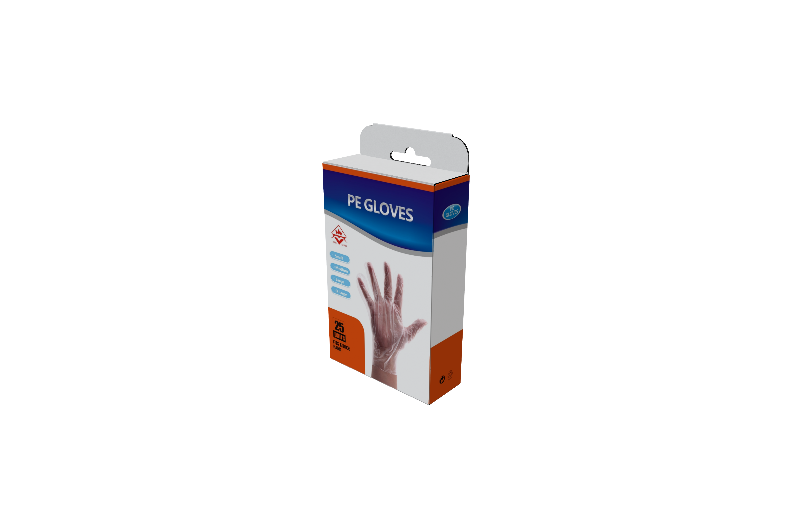
PE gloves are disposable gloves that are composed of polyethylene, a thermoplastic polymer that is derived from ethylene. Polyethylene is one of the most popular plastics on the planet; it is present in every item from packaging to containers and pipes. When converted into thin films and shaped into a glove, polyethylene becomes a lightweight, flexible barrier that prevents the skin from being exposed.
Other than medical-quality gloves like nitrile or latex, PE gloves are not intended for use in confined spaces; they have a long lifespan, and they do not have a chemical resistance capacity. Their primary purpose is to maintain basic hygiene. They create a simple, inexpensive barrier that prevents direct contact between the hand and the surface, food, or other products.
This design philosophy is of great importance. PE gloves are not intended to substitute for heavier-duty protective gloves. They’ve got to exist because many responsibilities necessitate hygienic behavior, not mechanical safeguarding.
The material foundation: polyethylene explained
Polyethylene comes in several forms, each with different physical properties. In glove production, two main types dominate:
-
LDPE (Low-Density Polyethylene)
Softer, more flexible, and slightly elastic. LDPE gloves feel smoother and are more comfortable to wear, though still loose-fitting. -
HDPE (High-Density Polyethylene)
Stiffer, thinner, and more economical. HDPE gloves often have a slightly crinkly feel and are commonly used where cost and disposability matter most.
The molecular structure of polyethylene explains its behavior. Long chains of carbon and hydrogen atoms form a stable, non-reactive material. This makes PE gloves chemically inert in most everyday environments, odorless, tasteless, and safe for food contact.
However, polyethylene does not stretch like rubber. This is why PE gloves are loose rather than form-fitting. Instead of elastic recovery, they rely on size tolerance and gravity to stay on the hand.
Why PE gloves exist in the first place
The presence of PE gloves is associated with a simple truth: in many instances, it is not necessary or practical to wear full protective gloves.
Think about the food industry. A sandwich maker that assembles sandwiches doesn’t require protective clothing or equipment. They demand a hygienic barrier that can be altered frequently. The same reasoning is employed in bakeries, food processing facilities, supermarkets, and catering kitchens.
Also, PE gloves address the behavioral truths. People are more inclined to alter their gloves frequently if the love is affordable, simple to put on, and comfortable for short assignments. In environments with a high degree of hygiene, the frequency of alteration is more important than the glove’s strength.
This is the area where PE gloves are most successful.
Manufacturing process: from polymer to glove
The production of PE gloves is a high-volume, efficiency-driven process. Unlike dipped gloves (latex or nitrile), PE gloves are made from polyethylene film.
The process typically involves:
-
Film extrusion
Polyethylene resin is melted and extruded into a thin film. Thickness control is critical, as it determines both cost and usability. -
Film folding and layering
The film is folded to create two layers, forming the front and back of the glove. -
Glove shaping and sealing
Heat sealing or cutting dies shape the glove outline and fuse the edges. -
Perforation and stacking
Finished gloves are stacked, perforated, and prepared for packaging, often in bulk bags or dispenser boxes.
Because this process avoids dipping and curing, production speeds are extremely high. This efficiency is what makes PE gloves one of the most affordable disposable glove options on the market.
Fit, feel, and usability
PE gloves are intentionally loose. This design choice solves several practical problems.
Loose fit allows one-size-fits-most sizing, reducing inventory complexity. It also makes gloves easy to put on and take off, even with slightly damp hands. This is particularly important in food service, where workers may change gloves dozens of times per shift.
The trade-off is reduced dexterity. PE gloves are not ideal for tasks requiring precision finger movement. They can bunch up at the fingertips and lack tactile feedback. But for simple handling tasks, this limitation is acceptable.
Another characteristic is breathability—or rather, the lack of it. PE gloves do not breathe. However, since they are worn for short periods, this is rarely a major issue.
Hygiene and food safety applications
Food handling is the most visible and widespread application of PE gloves.
In kitchens, PE gloves act as a hygiene barrier between hands and ready-to-eat foods. They reduce the risk of contamination from skin contact, cuts, or minor abrasions. Importantly, they are food-contact safe, meeting regulatory standards in many regions.
PE gloves are commonly used in:
-
Bakeries and pastry shops
-
Supermarkets and deli counters
-
Catering services
-
Fast food restaurants
-
Food packaging facilities
Their transparency or milky-white appearance also allows visual confirmation of cleanliness, which matters in customer-facing environments.
Medical and healthcare contexts
PE gloves do appear in healthcare, but their role is limited.
They are typically used for non-invasive, low-risk tasks, such as:
-
General hygiene assistance
-
Cleaning and sanitation
-
Patient food handling
-
Short-term contact where sterility is not required
They are not suitable for medical examinations, surgical procedures, or exposure to bodily fluids. In those cases, nitrile or latex gloves are required due to their superior barrier integrity and fit.
Understanding this distinction is critical. Using PE gloves outside their intended risk profile can create a false sense of safety.
Industrial and commercial uses
Beyond food and healthcare, PE gloves appear in many commercial and industrial environments where cleanliness matters more than protection.
Common examples include:
-
Light assembly lines
-
Cosmetic and personal care packaging
-
Retail handling of unpackaged goods
-
Janitorial and cleaning tasks
In these settings, PE gloves protect products from contamination rather than protecting workers from hazards. They also reduce cleanup time and simplify compliance with hygiene standards.
Cost logic and supply chain importance
One of the defining features of PE gloves is cost.
They are among the lowest-cost disposable gloves available, both in raw material and production expense. This affordability enables frequent replacement, which is essential for hygiene-focused workflows.
From a supply chain perspective, PE gloves are relatively easy to produce at scale. Raw polyethylene is widely available, and production equipment is highly automated. This makes PE gloves a stable product even during periods of increased demand, such as public health events.
However, global demand spikes can still strain supply, reminding industries how dependent they are on these seemingly simple items.
Environmental considerations
No discussion of PE gloves is complete without addressing environmental concerns.
Polyethylene is not biodegradable in natural conditions. Discarded gloves contribute to plastic waste if not properly managed. This has raised legitimate concerns, especially given the massive volumes used worldwide.
That said, polyethylene is recyclable in principle. The challenge lies in contamination and collection. Used gloves, especially from food or healthcare settings, are rarely suitable for recycling streams.
Some manufacturers are exploring recycled polyethylene content or thinner film designs to reduce material usage. Others are researching bio-based polyethylene alternatives. These efforts reflect growing pressure to balance hygiene needs with environmental responsibility.
Limitations of PE gloves
PE gloves have clear limitations, and understanding them is part of responsible use.
They offer:
-
Minimal tear resistance
-
No cut protection
-
Poor chemical resistance
-
Limited heat resistance
They can tear easily under stress and should never be used in environments involving sharp objects, aggressive chemicals, or mechanical hazards.
Their loose fit also means they can slip off or catch on objects, which must be considered in workflow design.
Regulatory and compliance aspects
In many regions, PE gloves used for food handling must comply with food contact regulations. These standards ensure that materials do not leach harmful substances into food.
Labeling, traceability, and material declarations are important, especially for exporters and large food service chains. While PE gloves are simple products, compliance requirements are not optional.
PE gloves versus other disposable gloves
Understanding PE gloves also means knowing when not to use them.
Compared to other disposable gloves:
-
Latex gloves offer elasticity and comfort but pose allergy risks
-
Nitrile gloves provide strong chemical and puncture resistance
-
Vinyl gloves sit between PE and nitrile in performance and cost
PE gloves occupy the lowest end of the protection spectrum but excel in speed, cost, and disposability. Choosing them is not a compromise when used correctly—it is an optimization.
Behavioral impact: why simplicity matters
One often overlooked advantage of PE gloves is behavioral.
When gloves are cheap, easy to wear, and quick to discard, people change them more often. In hygiene control, this matters enormously. A perfect glove worn too long becomes a contamination risk.
PE gloves encourage correct behavior by removing friction from compliance. This is a subtle but powerful advantage.
Global demand and market role
PE gloves are produced and consumed worldwide. They are staples in emerging and developed markets alike. Their simplicity makes them accessible to small businesses and large corporations alike.
In many regions, PE gloves are the first line of hygiene control introduced when formal systems are established. They represent an entry point into standardized hygiene practices.
Why PE gloves matter
Despite pressure from sustainability movements, PE gloves are unlikely to disappear. Instead, they will evolve.
Future trends may include:
-
Thinner films with equal usability
-
Increased recycled content
-
Improved dispensing systems to reduce waste
-
Better education on the correct use and disposal
PE gloves are not high-tech. They are not precision instruments. They do not carry prestige. But they solve a real, everyday problem at massive scale.
They exist at the intersection of hygiene, economics, and human behavior. They make clean handling possible where cost, speed, and simplicity matter most. In doing so, they quietly protect consumers, support businesses, and enable modern workflows.
In a world obsessed with innovation, PE gloves remind us that sometimes the most important tools are the simplest ones—designed not to impress, but to work, again and again, millions of times a day.